What happened
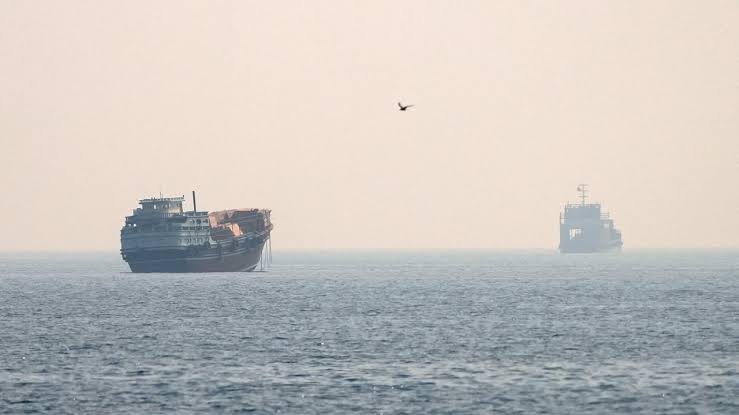
Preliminary Kpler data showed six commodity vessels transiting the Strait of Hormuz on Tuesday. That was down from nine the previous day and below the recent 10-day average of 12. This is the central development behind strait of hormuz shipping traffic stays below recent average as energy risk deepens. The immediate headline is important, but readers get more value by understanding the mechanism behind it and the timetable that follows. The data can be revised and may not capture vessels that switch off transponders. The reduced traffic comes as oil prices rise and military tensions increase around the Gulf. Taken together, these points make the story relevant beyond a single announcement or trading session. UpTheGear is treating this as a dated news explainer, which means the facts are anchored to September 9, 2026 and should be revisited when official figures, market prices or implementation details change.
Why this story matters
The strongest reason this matters is its connection to global energy security and marine insurance and freight costs. News events often look isolated when they first break, yet their effects travel through households, companies, institutions and policy decisions. In this case, the immediate development can influence behaviour well after the first headline disappears. Readers searching for this topic are usually asking practical questions: what changed, why did it change, who benefits or loses, and what should happen next? Answering those questions clearly is more useful than repeating the headline. It also makes the article easier to understand for readers who arrive from Google several days later.
The bigger context
The bigger context includes India’s exposure as a major oil importer and how geopolitical risk becomes inflation. Those themes help explain why the development is receiving attention now. A useful way to analyse the story is to separate structural forces from short-term triggers. Structural forces build over months or years; short-term triggers can move prices, policy or public attention in hours. Preliminary Kpler data showed six commodity vessels transiting the Strait of Hormuz on Tuesday. is the current trigger, while the broader backdrop determines whether its impact fades quickly or becomes durable. This distinction matters because search traffic often continues after breaking-news urgency has passed, and readers then need context rather than minute-by-minute updates.
Who is most affected
The groups most affected are not always the people named in the headline. Depending on the story, the consequences can reach consumers, workers, investors, regulators, suppliers, athletes, fans or businesses. The connection to global energy security is especially important. When evaluating impact, readers should ask whether the change affects income, cost, access, risk, competition or future decisions. That practical lens helps turn a news report into a useful explainer. It also prevents exaggerated conclusions: a significant development can matter without automatically transforming the entire sector overnight.
What the numbers tell us
The available numbers provide useful scale. Preliminary Kpler data showed six commodity vessels transiting the Strait of Hormuz on Tuesday. That was down from nine the previous day and below the recent 10-day average of 12. The data can be revised and may not capture vessels that switch off transponders. Numerical context should still be interpreted carefully because one figure rarely tells the whole story. Markets can reverse, programme rules can be clarified, and preliminary operational data can be revised. The best approach is to use numbers as a snapshot and pair them with the mechanism that produced them. For UpTheGear readers, that means understanding both the reported figure and why it matters for the wider subject represented by keywords such as Strait of Hormuz shipping traffic and oil supply risk.
Risks and limitations
There are also important limitations and risks. Early reports can be incomplete, projections can change and policy announcements can look different during implementation. In a international story such as this, readers should distinguish confirmed facts from forecasts. The most important uncertainties include multi-day vessel counts rather than one-day readings and war-risk insurance premiums and tanker charter rates. Another risk is over-interpreting a single day or single announcement. Durable conclusions require follow-up evidence. UpTheGear therefore avoids presenting every early estimate as a permanent outcome and keeps source links attached so readers can trace the factual basis of the article.
What could change the picture
Several developments could change the picture quickly. The first is multi-day vessel counts rather than one-day readings. The second is war-risk insurance premiums and tanker charter rates. In addition, official shipping advisories and military incidents could materially alter expectations. This is why the story should be monitored through official data, credible reporting and direct statements rather than social-media speculation. A constructive scenario would reduce uncertainty and allow participants to plan. A negative scenario would extend the current pressure or implementation challenge. The direction matters, but so does the speed of change: gradual adjustment is usually easier for households, companies and institutions than a sudden shock.
What readers should watch next
The next verifiable milestones are multi-day vessel counts rather than one-day readings, war-risk insurance premiums and tanker charter rates, official shipping advisories and military incidents and whether crude prices remain near or above $100. These are more useful to follow than vague predictions. Readers revisiting this article should compare new information with the original September 9 baseline. If those indicators improve, the story may shift from risk to resolution. If they deteriorate, the consequences discussed above become more important. This watchlist also creates a clear structure for future UpTheGear updates, allowing new articles to link back to the original explainer instead of republishing the same background every day.
Long-term significance
Over the longer term, the significance of this development will depend on whether it changes behaviour, policy, investment or competitive position. The connection between global energy security, marine insurance and freight costs, India’s exposure as a major oil importer and how geopolitical risk becomes inflation makes this more than a one-day headline. Strong SEO content should remain useful after the initial spike in interest, so this article focuses on the durable questions as well as the fresh facts. The clearest conclusion today is that the reduced traffic comes as oil prices rise and military tensions increase around the gulf. The exact outcome is not fixed, but the direction of attention is clear, and the next few updates will show whether the current development becomes a lasting shift or a temporary episode.